Living in Phuket as an American: Cost, Best Areas, Island Life, Pros and Cons
My First Honest Impression of Phuket
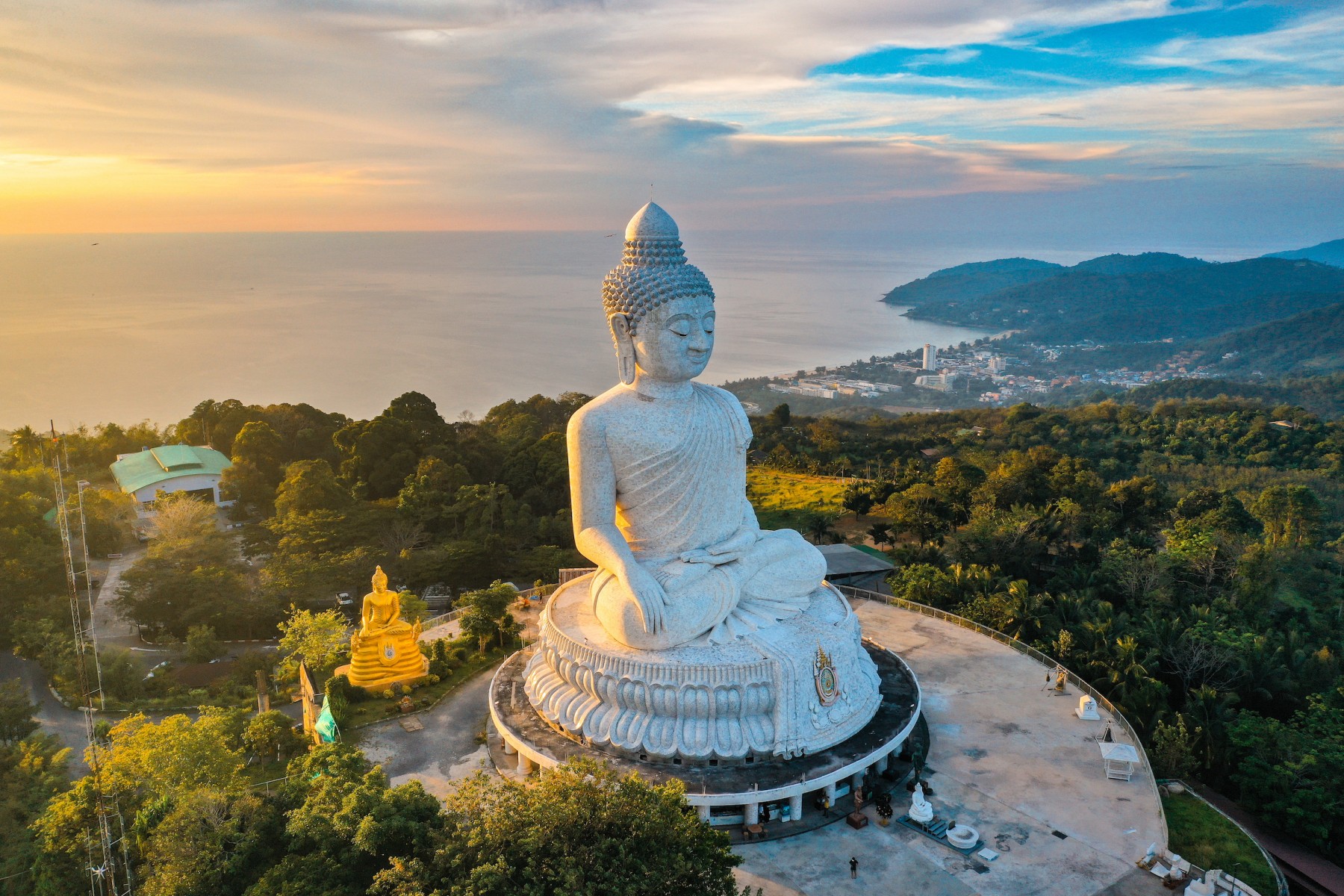
What surprised me about Phuket is how spread out it is. From an American point of view, the visitor version of Phuket — fly in, stay in one resort, beach for a week, fly out — gives you almost no real sense of how big the island actually is or how different the various parts feel. Phuket is a province and a sizable island, not a town. Driving from the airport in the north to Rawai in the south can take 45 minutes to an hour and a half depending on traffic and route. Bang Tao and Patong are 20 minutes apart by road but feel like different countries. The version of Phuket you've seen in travel videos is one slice of an island that contains beach paradise, tourist nightlife, family residential zones, local Thai life in Phuket Town, and quiet northern areas all at once.
That structural fact reshapes the entire move. From an American point of view, picking your area in Phuket is the single most important decision you'll make — bigger than visa choice, bigger than housing budget, bigger than insurance plan. The same income can give you a wellness-focused beach life in Rawai, a luxury family setup in Bang Tao, a practical inland routine in Chalong, a cultural urban life in Phuket Town, or an isolated northern villa in Mai Khao. These are different lives, not different neighborhoods.
The other early reality check is transport. Phuket is not a public-transport island. Phuket Smart Bus runs a single fixed route from the airport down through the west coast to Rawai for 100 THB per trip, and there are some other buses, but the island fundamentally runs on taxis, Grab, motorbikes, and private cars. If you can't drive, won't ride a motorbike, and can't budget for Grab everywhere, parts of the island become genuinely difficult to live in.
The honest first impression: Phuket can feel like the dream version of moving abroad — beaches, food, villas, wellness, slower rhythm. But Phuket is also bigger, more transport-dependent, more seasonal, and more area-sensitive than visitors realize. Knowing which version of the island life you actually want before you sign the lease matters more here than in almost any other expat destination I've researched.
What Daily Life in Phuket Actually Feels Like

Daily life in Phuket is built around three things: your area (which essentially decides everything else), your vehicle situation (car, motorbike, or Grab budget), and the season you're living through.
Area-based living is the structural fact. Your day-to-day life as a Rawai-based American is fundamentally different from a Bang Tao-based American or a Phuket Town-based American. Beach proximity, restaurant scenes, fitness communities, expat density, traffic patterns, school routes, healthcare access — all of these are area variables, not island variables.
Vehicle dependency is the second structural fact. The vast majority of Americans living long-term in Phuket either rent or own a car, rent or own a motorbike (legally licensed and insured), or budget heavily for Grab and taxis. Each option has real tradeoffs. A car offers comfort and safety but parking can be tight in busy areas and rental/ownership costs add up. A motorbike is cheap and convenient but objectively risky — Thailand has one of the world's higher road accident rates, and Phuket's hills, rain, and tourist drivers compound the risk. International driving permits and proper licensing matter legally; some Americans ride without proper permits and end up in serious legal and insurance trouble after accidents. Grab and taxis work in central areas but get expensive fast for daily use across the island.
Beach routines vary sharply by area. Rawai and Nai Harn anchor a wellness/fitness/long-stay community where mornings often start with a beach walk, gym session, or yoga before work. Bang Tao and Laguna anchor a more polished beach-club and resort-restaurant rhythm. Patong is built around tourism cycles. Phuket Town has minimal beach and operates as a real working Thai city. The Tourism Authority of Thailand notes that beaches on the south coast tend to be more crowded while the north tends to be more tranquil — that pattern holds in residential terms too.
Seasonal rhythms are stronger than Americans expect. Phuket has two clear modes:
High season (roughly November–April): cooler-drier weather, calm seas, packed tourist zones, higher restaurant prices, busier roads, more flights into HKT, full coworking spaces.
Low season (roughly May–October): rainy, rougher Andaman seas, fewer tourists, lower rents on monthly rentals, quieter beaches, occasional flooding on low-lying roads.
For long-term residents, the seasonal swing affects rent negotiations, social life intensity, restaurant openings (some smaller businesses close in low season), and daily-life planning. Americans who arrive in November and only know high-season Phuket sometimes get a real shock in their first rainy season.
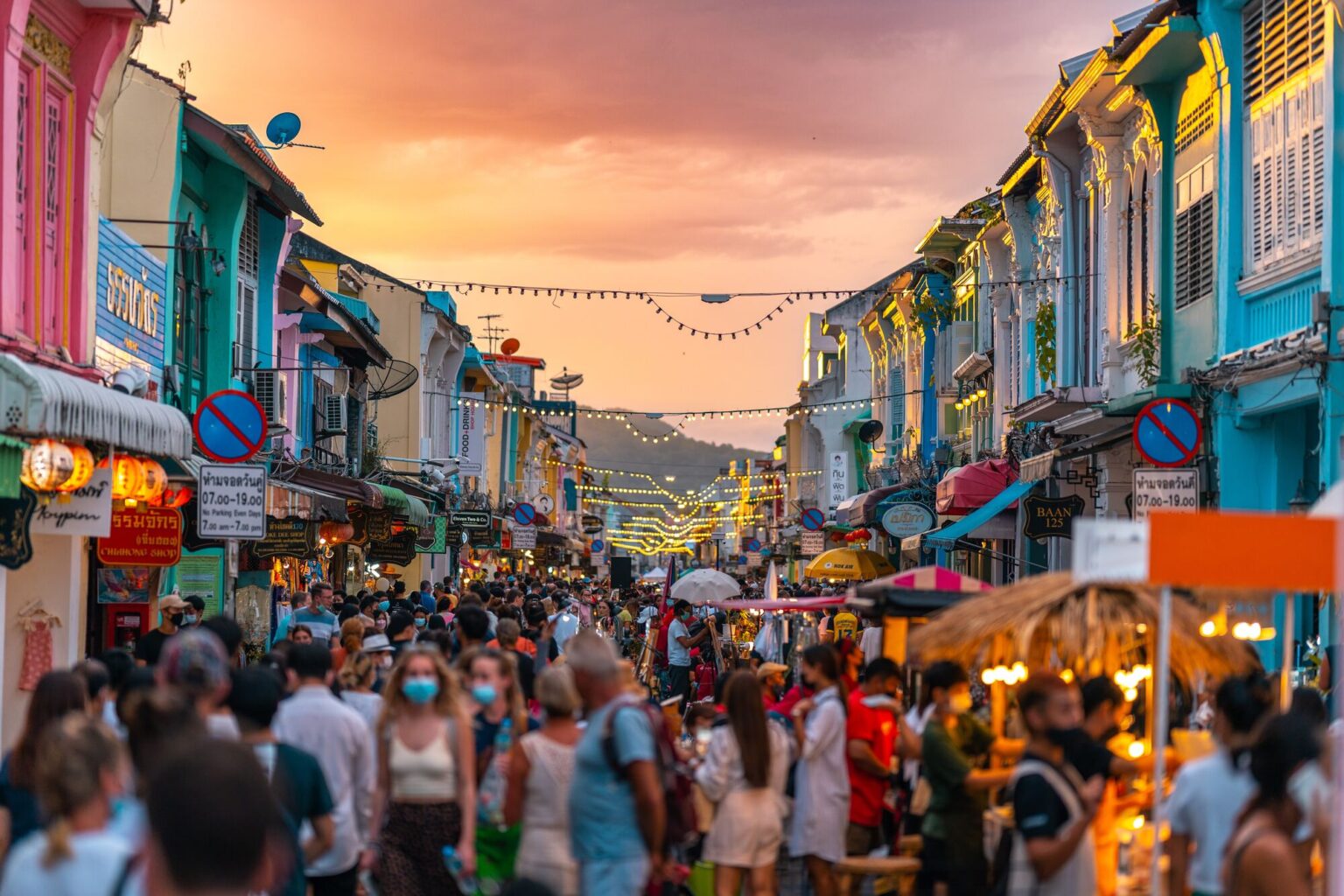
Food culture is a genuine asset. Thai street food meals run 50–100 THB ($1.50–$3). Local seafood restaurants run 300–800 THB per person. Western and trendy beach-club restaurants in Bang Tao or Cherng Talay can reach NYC pricing. Local markets (especially the Sunday Walking Street in Phuket Town, Naka Market, Chillva Market) are working markets, not tourist sets.
Social rhythm is slower than Bangkok but more contained. The expat community is active — fitness gyms, Muay Thai camps, dive operations, wellness retreats, coworking spaces, restaurant scenes, and Facebook groups all overlap into recognizable circles. Once you've been on the island for six months in one area, you start running into the same people.
The frustrations stack up over time. Transport dependency. Heat and humidity. Rainy-season disruption. Tourist crowds during peak weeks. Visa compliance ongoing. The fact that anything "10 minutes on the map" can become 30 minutes during traffic, rain, or tourist surges. The slow erosion of saving rates as villa rentals, imported groceries, and beach-club lunches replace whatever frugal plan you arrived with. None of this is unsolvable. All of it is part of life here.
Cost of Living in Phuket for Americans
Phuket can be cheaper than U.S. coastal cities for many Americans — but the savings are entirely a function of area choice and lifestyle discipline. Cost-of-living comparisons consistently show Phuket below cities like San Diego, Los Angeles, or Miami, particularly excluding rent. Those are directional estimates only; your actual cost depends on area, housing type, healthcare, schools, transport, and lifestyle. Treat the ranges below as approximate.
Solo American remote worker budget
A solo American on a moderate lifestyle — modern one-bedroom condo or small house in a non-premium area, mix of Thai and Western food, gym, occasional nightlife, motorbike or shared transport — typically lands in the ฿55,000–฿120,000/month (~$1,500–$3,400) range. Below ฿50,000/month is possible in cheaper areas (parts of Chalong, Kathu, inland zones) with discipline. Above ฿150,000/month is easy in Bang Tao villa life or premium beach areas.
Couple budget
Two people sharing a condo or modest villa typically run ฿85,000–฿180,000/month (~$2,400–$5,000). Splitting fixed costs (rent, utilities, vehicle) makes per-person math meaningfully better than solo living.
Family budget
A family with one or two kids, a real villa or larger house, private health insurance, occasional eating out, a vehicle, and (the key variable) international school tuition typically lands in the ฿200,000–฿600,000+/month (~$5,500–$17,000+) range. International school tuition alone in Phuket can run ฿500,000–฿1,200,000+/year per child at top schools — comparable to or above U.S. private school tuition. Without international schools, family budgets compress dramatically.
Retiree budget considerations
Retirees on a comfortable but not luxury Phuket lifestyle — moderate villa or condo, private health insurance (which rises sharply with age), local eating with occasional Western meals, a car or scooter, and modest social activity — typically run ฿80,000–฿180,000/month (~$2,200–$5,000). Healthcare insurance is the single biggest variable for retirees — premiums for Americans 65+ can run $5,000–$15,000+/year for comprehensive international coverage, and limited-coverage local policies may not include major events. Plan healthcare before committing to the move.
What usually costs more than Americans expect
Villa rentals in Bang Tao, Laguna, Surin, and premium beach areas: high-season pricing on monthly contracts can climb to U.S. coastal-city levels.
International school tuition: comparable to U.S. private schools.
Imported groceries: Western brands at Villa Market, Tops Food Hall, and Phuket-specific premium grocers command real premiums.
Western restaurants and trendy beach clubs: pricing in Bang Tao, Cherng Talay, and Surin can rival U.S. resort towns.
Private health insurance for older Americans: rises sharply with age and conditions.
Cars: Thai import duties make cars surprisingly expensive; long-term rentals add up.
Taxis and Grab for daily use: cheaper than U.S. ride-hailing but escalates fast if you depend on it.
High-season rent: short-term rates during November–April can be 1.5–2x low-season rates.
Visa-related costs: DTV fees, possible immigration agency support, document handling.
Where Americans may save money compared with U.S. coastal cities
Thai food at street, market, and local restaurant levels.
Long-term condo rent in non-beach areas (Kathu, parts of Chalong, Phuket Town).
Massage, spa, gym, wellness, fitness services: massages from ฿300–฿600/hour; premium gyms ฿1,500–฿3,500/month.
Domestic help: cleaners, laundry, pool maintenance for villas at fractions of U.S. cost.
Private healthcare for one-off events: dramatically cheaper than U.S. equivalents at private hospitals.
Phone and internet: fast 5G mobile and home fiber from ฿500–฿1,500/month combined.
Travel within Southeast Asia: budget flights from HKT or short hops via Bangkok make weekends accessible.
Why lifestyle choice matters more than averages
Two Americans on identical incomes in Phuket can have completely different financial outcomes. One lives in a Chalong condo, rides a properly licensed scooter, eats mostly Thai food, uses the Smart Bus when convenient, and saves 40–50% of their U.S. salary. The other rents a Bang Tao villa, drives a car everywhere, eats Western breakfast and beach-club lunch and international dinner, and saves nothing. The difference is rarely income — it's area selection, vehicle setup, and food/social discipline. Phuket makes lifestyle inflation effortless. Awareness of this is the most important financial discipline for Americans moving here.
Best Areas to Live in Phuket for Americans and Expats
Rawai
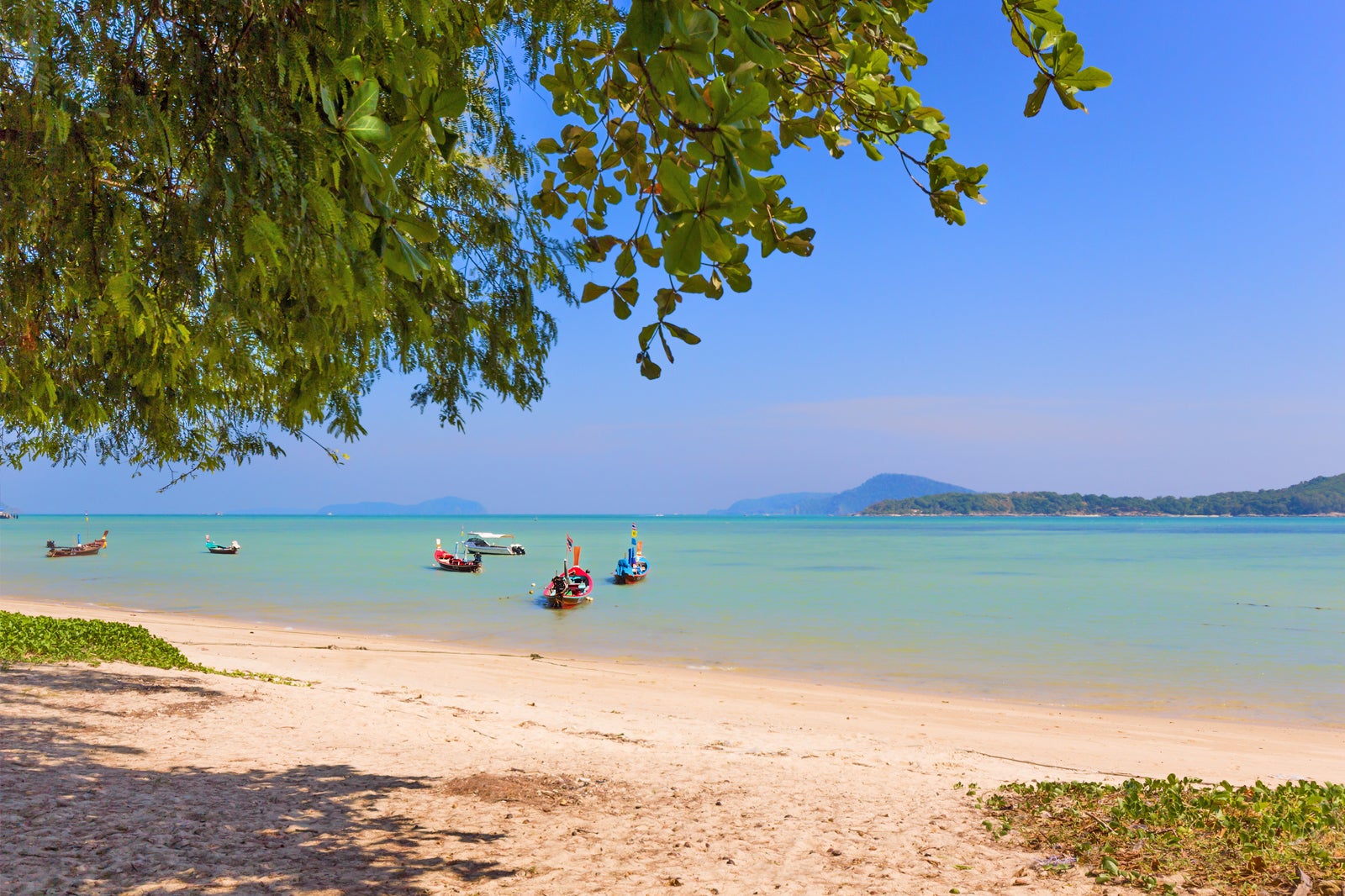
Vibe: Long-stay expat anchor on the southern tip of the island. Laid-back beach lifestyle, gyms, Muay Thai camps, yoga, dive operations, mix of Thai and Western restaurants. Strong wellness and fitness scene. Cost: Mid; varies sharply between beach-front and inland. Who it suits: Remote workers, wellness-focused Americans, divers, retirees who want active beach community, and Americans wanting a real long-term base rather than a vacation zone. Tradeoff: Far from the airport (45–60 min). Some daily errands require driving to Chalong or other areas. Not the most central for school routes north of the island.
Nai Harn

Vibe: Adjacent to Rawai but with one of Phuket's most beautiful beaches, a lagoon, and a quieter, more residential feel. Wellness-oriented and lifestyle-focused. Cost: Mid-to-high. Who it suits: Couples, retirees, and remote workers wanting beach lifestyle without Patong intensity. Tradeoff: Limited shopping/grocery options; many trips to Rawai or Chalong for daily errands.
Chalong
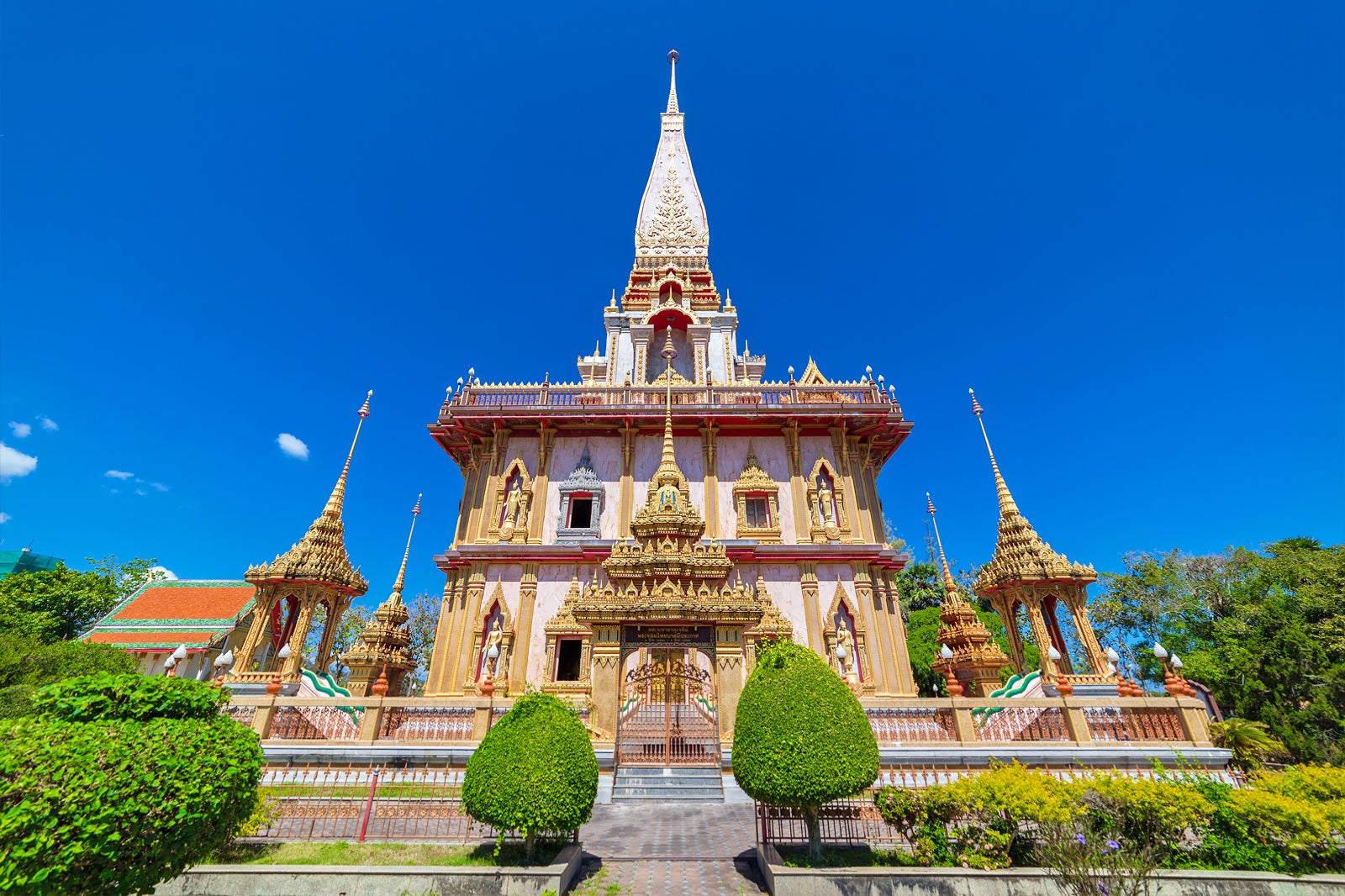
Vibe: Inland-but-coastal hub anchored by Chalong Bay, the dive industry, Tesco Lotus, gyms, road connections across the island. Practical rather than scenic. Cost: Mid; some of Phuket's better long-term value. Who it suits: Americans wanting practicality over postcard beach views — divers, fitness people, families needing road access to multiple areas, and budget-conscious remote workers. Tradeoff: No iconic beach immediately adjacent (Chalong Pier is a working harbor, not a swimming beach); less scenic feel than Rawai or Bang Tao.
Bang Tao
Vibe: Upscale, family-friendly, villa-and-condo-heavy stretch of west coast anchored by Laguna Phuket and a long beach. Resort restaurants, polished international community, premium gyms and beach clubs. Cost: High to very high. Who it suits: American families with budget, higher-earning remote workers, retirees who want comfort and amenities. Tradeoff: Most expensive long-term area on the island. Genuine expat-and-resort-bubble feel.
Laguna

Vibe: Inside the Laguna Phuket integrated resort/residential complex within Bang Tao. Gated, ultra-polished, family-oriented, with international schools and amenities embedded. Cost: Very high. Who it suits: American families specifically choosing the integrated school/villa lifestyle, higher-earning professionals. Tradeoff: Genuinely curated/bubble feel; expensive; less of a "Thai island" experience.
Cherng Talay

Vibe: Adjacent to Bang Tao, with a denser restaurant and villa scene, growing expat infrastructure, lifestyle-driven. Increasingly popular with Americans. Cost: Mid-to-high. Who it suits: Americans wanting Bang Tao-area lifestyle at slightly more accessible pricing; couples, families, lifestyle-driven movers. Tradeoff: Construction in some pockets; popularity has pushed rents up.
Kamala
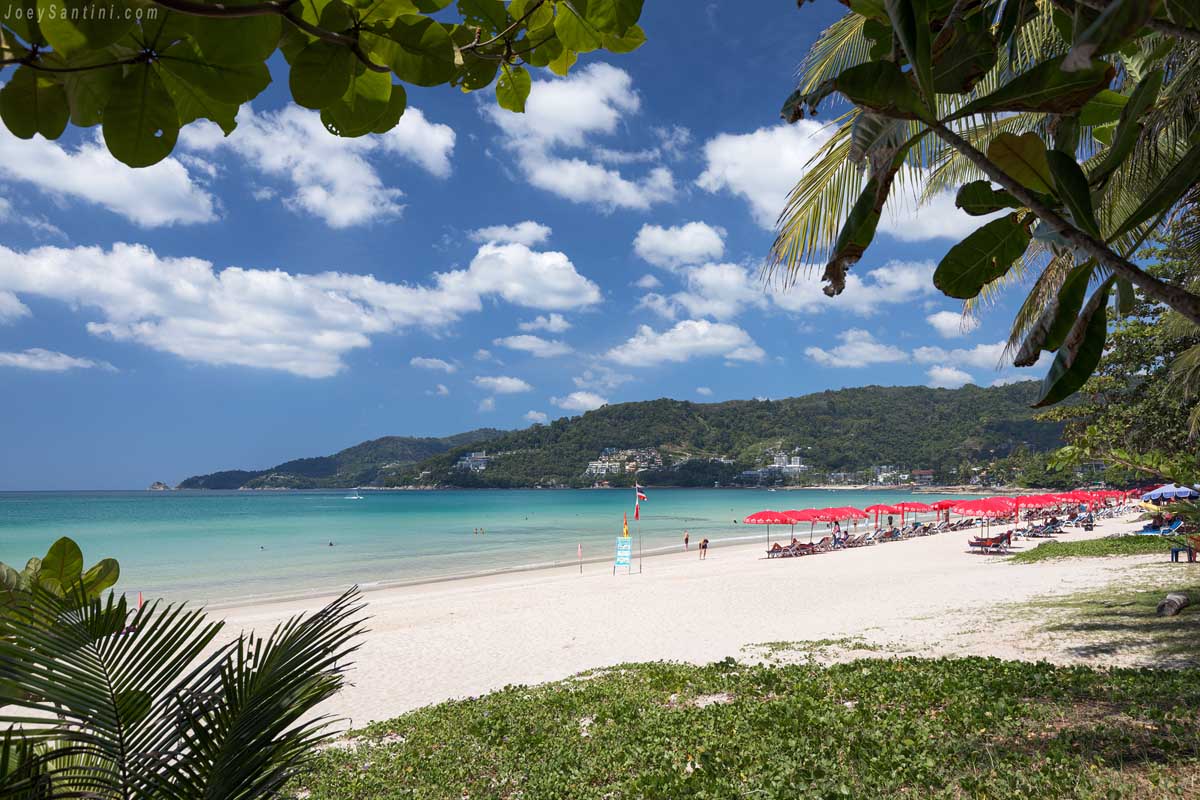
Vibe: Quieter beach lifestyle between Patong and Surin, with some luxury pockets (Millionaire's Mile) and more residential calm. Less intense than Patong, more accessible than Surin. Cost: Mid-to-high. Who it suits: Americans wanting beach proximity with calm; couples, retirees, families. Tradeoff: Smaller restaurant and shopping scene than Bang Tao or Patong; some areas feel sleepy.
Surin

Vibe: Upscale beach feel with limited residential supply, premium beach clubs (Catch, Twinpalms), refined atmosphere. Cost: High. Who it suits: Higher-budget Americans wanting refined beach lifestyle with proximity to Bang Tao amenities. Tradeoff: Limited inventory; expensive; small scene.
Patong

Vibe: Bangkok-like density on a beach — bars, nightlife, tourist traffic, restaurants of every type, malls, all-night Bangla Road scene. Cost: Wide range — some surprisingly low rents in older buildings, premiums for newer condos. Who it suits: Younger Americans specifically wanting nightlife and tourism energy; short-stay arrivals testing the island. Tradeoff: Not ideal for long-term wellness, family, or remote-work life. Noise, traffic, and tourist density are permanent features.
Kata

Vibe: Beach lifestyle area with a family-and-couple-friendly tone, less intense than Patong, more developed than Nai Harn. Tourism-shaped but quieter. Cost: Mid-to-high in season. Who it suits: Beach-lifestyle Americans wanting more amenities than Rawai/Nai Harn without Patong intensity. Tradeoff: Seasonal swings are real; some businesses close in low season.
Karon
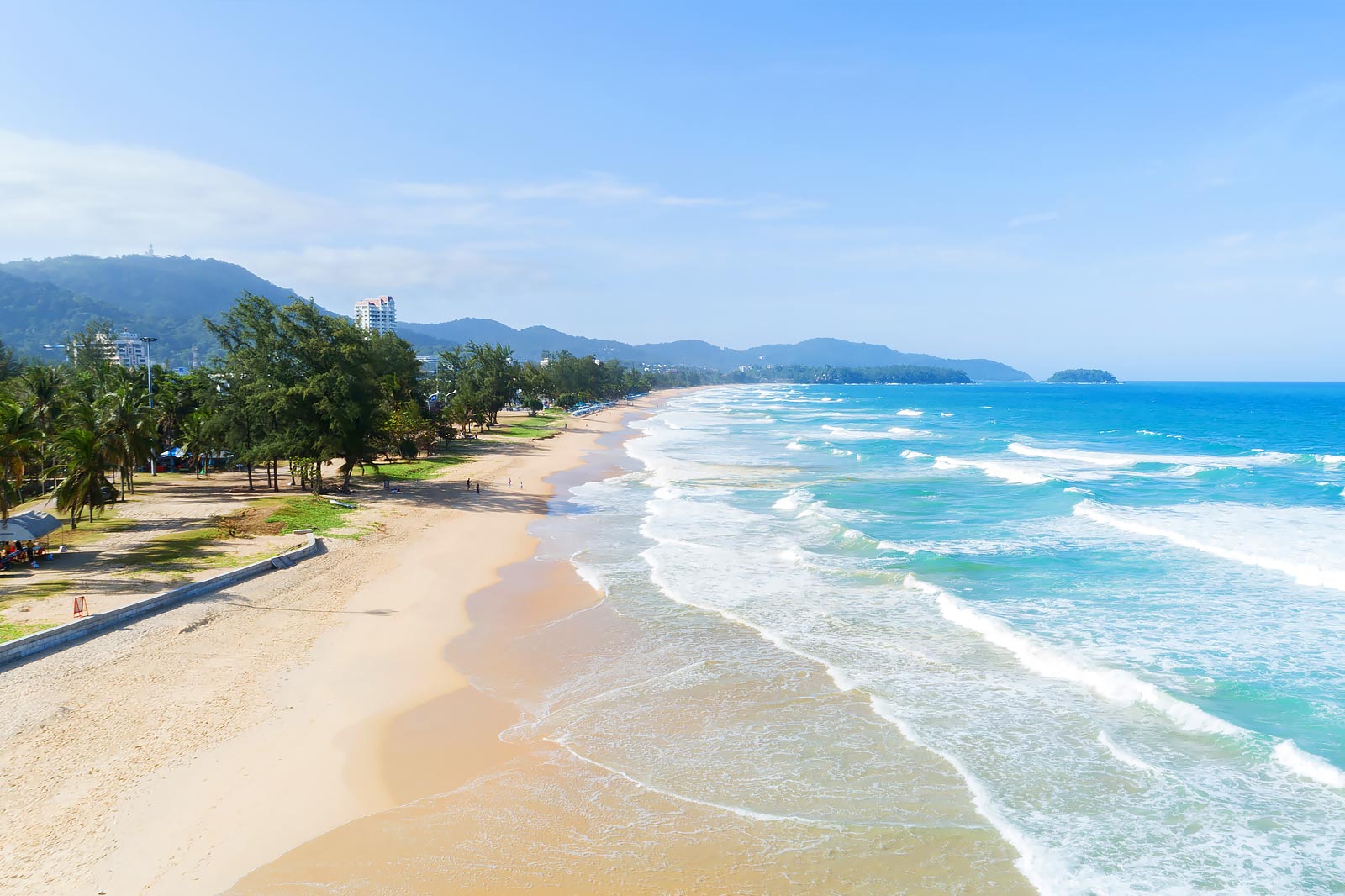
Vibe: Adjacent to Kata, longer beach, slightly more spread out, similar tourism profile. Cost: Mid. Who it suits: Similar to Kata — beach lifestyle, family/couple-friendly, less intense than Patong. Tradeoff: Similar seasonality; less compact than Kata center.
Kathu
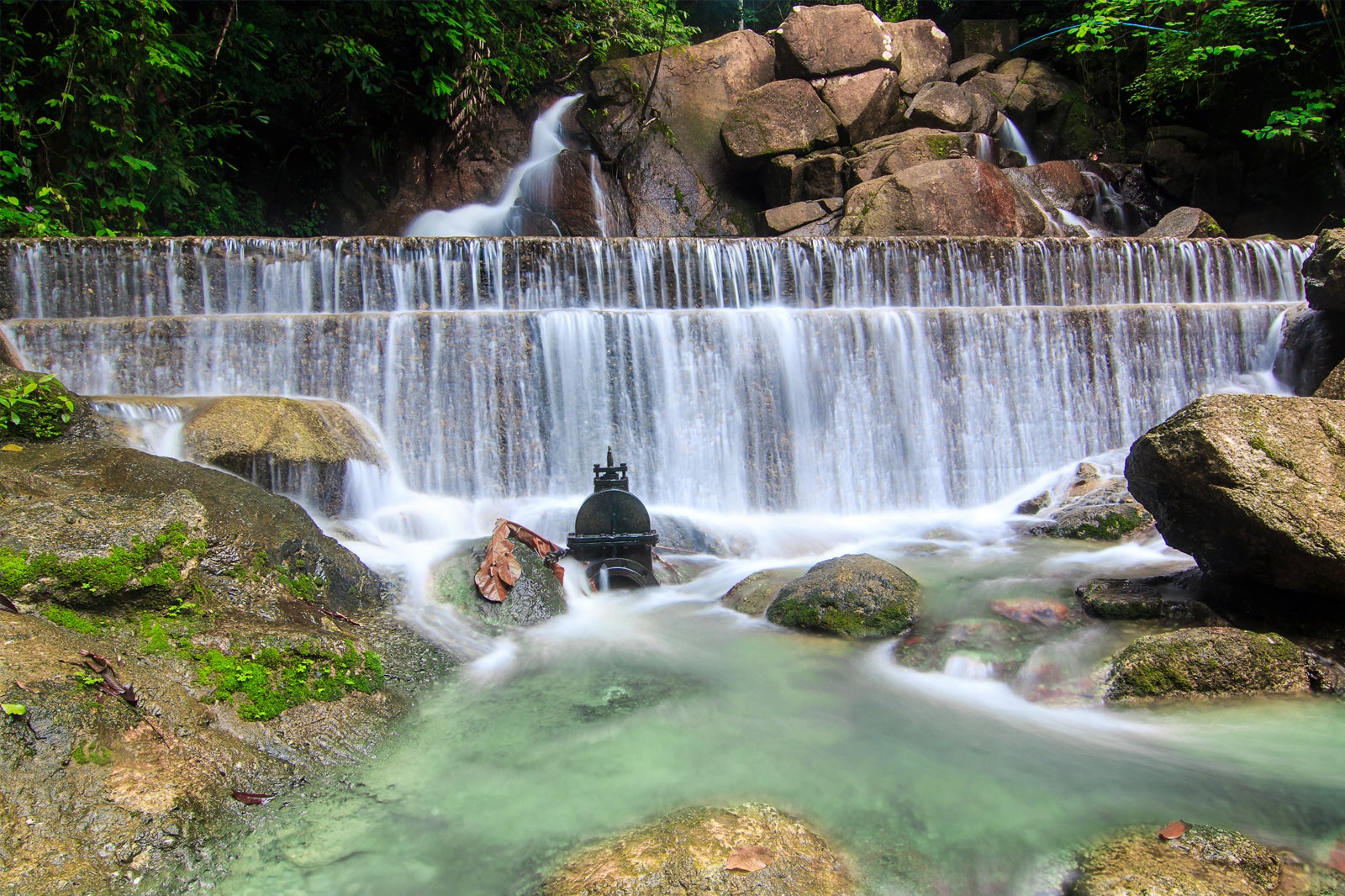
Vibe: Central inland area, more local Thai life, practical for cross-island access, anchored by Central Festival mall. Less scenic than coastal areas. Cost: Lower. Who it suits: Americans optimizing budget and central access — remote workers comfortable with non-beach living, families wanting school access without paying Bang Tao prices. Tradeoff: Not the postcard Phuket experience; less expat density than beach areas.
Phuket Town

Vibe: The actual capital town — Sino-Portuguese architecture, food scene, weekend Walking Street market, real Thai urban life, cafés, museums. Almost entirely non-beach. Cost: Lower for housing; varies by Old Town vs newer areas. Who it suits: Americans wanting cultural Thai island life rather than beach life — writers, artists, food-driven movers, retirees who value culture over swimming. Tradeoff: Not a classic beach expat lifestyle; ~20–30 minutes to beaches.
Thalang

Vibe: Practical northern district with family-oriented housing, larger lots, school access (UWC Thailand is here), airport proximity. Cost: Mid; better space-per-baht than southern/western areas. Who it suits: Families with kids at UWC or other northern international schools; Americans valuing space and airport access. Tradeoff: Spread out; structurally car-dependent; less beach-front-immediate than west-coast areas.
Mai Khao
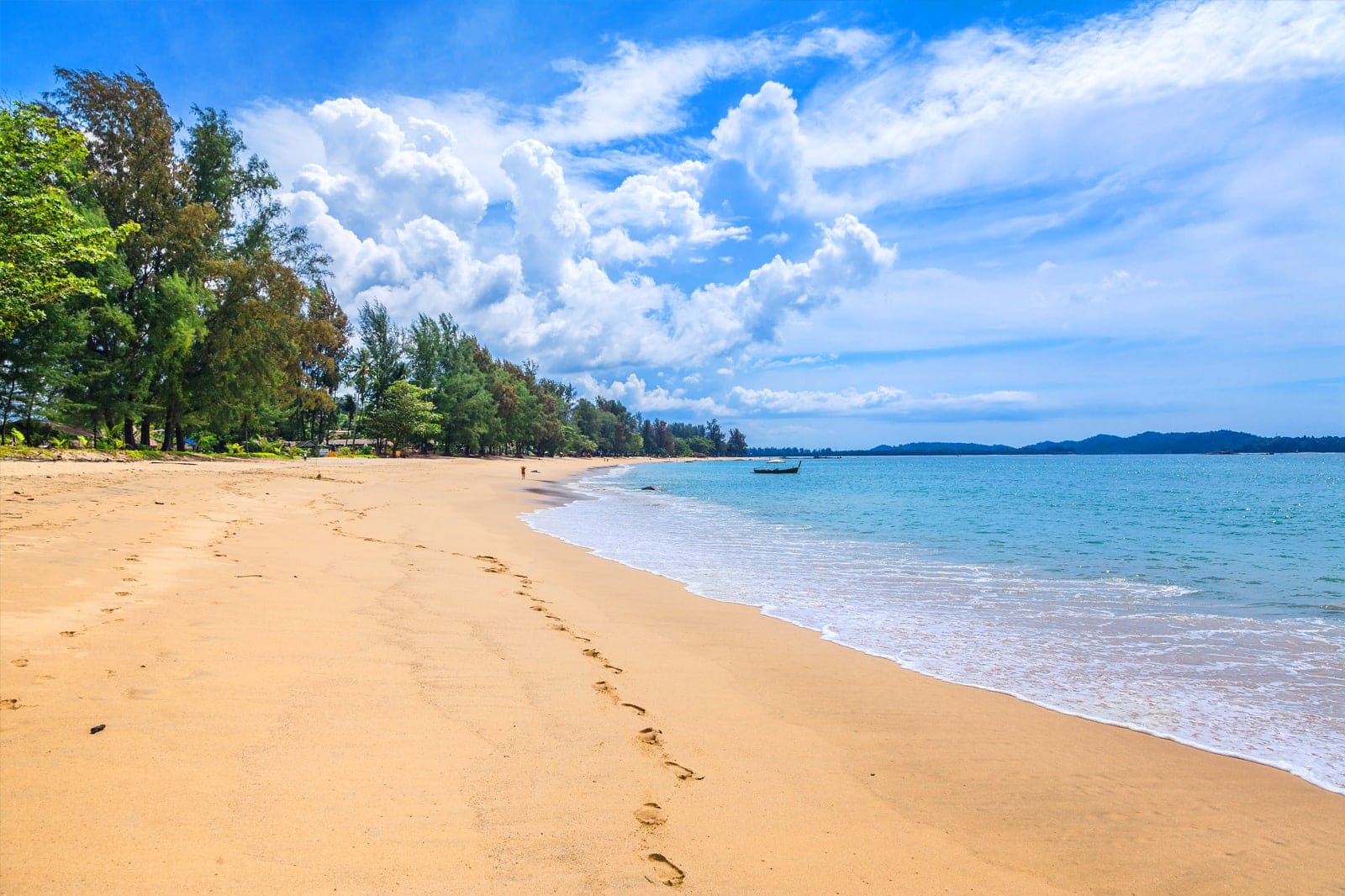
Vibe: Northern coastal area, calm, longer beach (the longest in Phuket), resort-residential feel, immediately south of the airport. Cost: Mid-to-high in newer developments. Who it suits: Americans wanting calm and space, close airport access, families with northern school routes. Tradeoff: Genuinely isolated from southern social hubs; long drives to Rawai or Chalong.
Cape Panwa
Vibe: Southeastern peninsula, quieter, scenic, more secluded, with some upscale residential pockets and marina access. Cost: Mid-to-high in newer villa developments. Who it suits: Americans wanting calm and seclusion, boating-focused movers. Tradeoff: Far from west coast beaches and most expat infrastructure.
For most first-time American arrivals, the practical defaults are Rawai or Nai Harn for remote workers and wellness-focused movers, Bang Tao / Laguna / Cherng Talay for families with budget, Chalong for budget-conscious practical movers, and Phuket Town for Americans wanting cultural Thai life over beach life.
Housing Reality in Phuket
Housing in Phuket is not just about rent. It is about area, transport access, season, road conditions, lifestyle, school routes, beach proximity, building or villa management quality, and how the property handles rainy season.
Condos vs villas vs houses: Most Americans choose between condos (managed buildings with pools, gyms, security, typically 30–80 m²), villas (private houses with pools, often in gated developments), and houses (standalone Thai-style or western-style homes). Villas command real premiums but offer space, privacy, and pool access that condos can't match. Condos offer easier management and lower maintenance burden.
Beach-area premium is real and significant. Beach-front or beach-walkable properties in Bang Tao, Surin, Kamala, Nai Harn, or Rawai command 30–100%+ premiums over comparable inland properties. Many Americans assume they need beach proximity until they realize they go to the beach 1–2 times per week and the premium isn't worth it.
High-season vs low-season pricing is a meaningful negotiation factor. Monthly rentals signed in low season (May–October) often run 20–40% lower than the same property in high season. Annual contracts smooth this out. Many landlords prefer annual leases specifically because they price near the high-season rate.
Furnished rentals are the default in central and beach areas. Most include furniture, appliances, and AC. Long-term unfurnished options exist but are less common for foreigners.
Older vs newer buildings: Newer condos (post-2015) typically have better infrastructure, AC, drainage, and management. Older buildings can have plumbing issues, weaker AC, and less reliable maintenance — but lower rent.
Maintenance and management vary widely. Professionally managed buildings (Sansiri, Origin, AP Thai, Laguna Property) generally maintain higher standards. Owner-managed properties vary case by case.
Transport access is decisive. A villa that's 10 minutes from the beach on the map can be 25 minutes during rain, traffic, or tourist surges. The road network in Phuket is concentrated — major routes get congested fast. Check actual drive times at multiple times of day before committing.
Flooding affects specific low-lying roads in some areas during heavy rain. Walk the streets immediately after a rainy-season storm to see how water drains. Some buildings flood in their underground parking; some streets are impassable for a few hours during storms.
Construction noise is a fast-growing-island feature. New developments go up constantly, particularly in Bang Tao, Cherng Talay, Rawai, and Layan. A unit that's quiet today may have a new villa development across the street in six months.
The most common American mistake is signing in high season based on visiting in high season. Walk the property and area in rainy-season conditions, at peak traffic times, and at night before committing to anything long-term.
Remote Work, Internet, and Everyday Convenience
For American remote workers, freelancers, and consultants, Phuket can absolutely work — if you have the right visa setup and an area with solid internet infrastructure.
Visa-wise, Thailand's Destination Thailand Visa (DTV) — operational since July 15, 2024 — is the main pathway for American digital nomads, freelancers, and remote workers. It's a 5-year multiple-entry visa allowing stays of up to 180 days per entry, extendable once per entry by another 180 days. The Thai Embassy page for DTV states a financial evidence requirement of no less than 500,000 THB (~$15,000). The DTV permits remote work for foreign employers and clients but explicitly prohibits working for Thai companies or providing services to Thai customers. Thailand's Long-Term Resident (LTR) Visa through the Board of Investment is a longer-term option for higher-earning professionals, retirees, and certain high-skill profiles. Both require verification with official Thai sources — this is not legal advice.
If you have the right legal status, the day-to-day mechanics are solid in populated Phuket areas. Fiber internet (AIS, True, 3BB) at 500 Mbps to 1 Gbps runs ฿590–฿1,200/month. Mobile 5G is widely available. Power reliability is generally good in central areas, with occasional rainy-season outages.
Coworking is well-developed for an island. Spaces in Rawai (Hub Studio, BeacHub), Chalong, Phuket Town, and Bang Tao serve the resident community. Day passes run ฿300–฿600; monthly memberships ฿4,000–฿12,000 depending on tier. Café work culture is more relaxed than in many Asian cities — many cafés are explicitly laptop-friendly, particularly in Rawai, Cherng Talay, and Phuket Town Old Town.
Time zone tradeoffs are real. Phuket runs UTC+7 — that's 12 hours ahead of New York (11 during daylight saving) and 15 hours ahead of San Francisco. East Coast clients map onto Phuket evenings; West Coast clients mean late-night calls. The long Phuket mornings are productive if your client schedule allows it; brutal if it doesn't.
Daily errands work well in populated areas. Grab and LINE MAN handle food delivery and ride-hailing in central zones (less reliable in remote areas). Supermarkets (Tesco Lotus / now Lotus's, Big C, Villa Market, Makro) cover groceries. Banking, SIM cards, and condo amenities work. Friction is concentrated in two areas: bank account opening (requires specific visa types or extensive documentation) and Thai-language interactions outside expat-heavy zones.
Healthcare and Everyday Services
Phuket's private healthcare system is good for an island, with several solid hospitals — Bangkok Hospital Phuket, Phuket International Hospital, Siriroj International Hospital, Dibuk Hospital, and others — that serve international patients with English-speaking specialists. Costs are dramatically lower than U.S. equivalents. For complex specialist care, some Americans travel to Bangkok hospitals (Bumrungrad, Samitivej, Bangkok Hospital) for procedures requiring deeper resources.
Insurance planning is essential. The DTV does not require health insurance, but going uninsured in Phuket is a serious risk — motorbike accidents, rainy-season slips, and major medical events without insurance can run into substantial costs even at Thai pricing. Most Americans use:
Local Thai private insurance (Pacific Cross, AXA Thailand, Allianz Ayudhya): ฿20,000–฿100,000+/year depending on age and coverage.
International expat insurance (Cigna Global, Allianz Worldwide, IMG, William Russell): $1,500–$10,000+/year depending on age, deductible, and geography.
Specific evacuation coverage for serious cases that might require transport to Bangkok or beyond.
Insurance rates rise sharply with age. Americans over 50 should price coverage carefully before committing. Some pre-existing conditions may not be covered or may require substantial premiums.
Emergency access varies by area. Living in Rawai, Chalong, or Bang Tao gives you 15–30 minute access to major hospitals. Living in remote northern or eastern areas can mean longer emergency response times. This matters more for retirees and families than for healthy adults.
Pharmacies are widely available and convenient. Many medications that require prescriptions in the U.S. are available over the counter at lower prices, but follow Thai law and consult professionals for anything serious.
English support at international hospitals is strong; at local clinics and pharmacies it varies by location.
This is general information only, not legal or medical advice. Verify your specific situation with licensed insurance brokers and the U.S. Embassy in Thailand.
Getting Around Phuket Without a Car
This is the single most underestimated factor in American Phuket moves. Phuket is not a public-transport island.
Phuket Smart Bus operates fixed-route service from Phuket International Airport down through Thalang, Cherngtalay, Laguna, Surin, Kamala, Patong, Karon, Kata, Phromthep Cape, and Rawai for a fixed 100 THB per trip. It's useful but limited to one main corridor on the west coast. It does not function as a dense city transit system.