Living in Da Nang as an American: Cost, Best Areas, Beach Life, Pros and Cons
My First Honest Impression of Da Nang
What surprised me about Da Nang is how accessible daily life is. From an American point of view, if you've ever been to Vietnam through Ho Chi Minh City or Hanoi, Da Nang feels like the country took a deep breath. The city sits along a long Central Vietnam beach with My Khe stretching for miles, Son Tra Peninsula rising green in the north, the Marble Mountains visible to the south, and the Han River cutting through the middle. Daily distances are short. Traffic is real but manageable compared to Hanoi or HCMC. Café culture is genuine. The international community is concentrated enough in An Thượng that you can find your people inside a week.
But Da Nang is also a working city, not a vacation. After the 2025 administrative merger that became effective July 1, 2025, Da Nang absorbed the former Quang Nam province to become a sprawling centrally governed city of approximately 11,860 km² with a population over 3 million. The merger added Hoi An, Chu Lai Airport, and a large rural and heritage hinterland to what was previously a more compact coastal city. For Americans thinking about moving here, this matters: when you read "Da Nang" in 2026, it can mean the coastal urban core where most foreigners actually live, or it can mean the broader administrative city that now includes Hoi An, the Marble Mountains, agricultural areas, and the southern Chu Lai region. This guide focuses on the coastal urban core where most American expats base themselves, with the broader administrative footprint noted where it matters.
The other reality check is rainy season. Central Vietnam gets weather. Heavy rain spells, occasional flooding on low-lying streets, and the genuine typhoon risk between roughly August and December. Da Nang International Airport was closed in 2025 in preparation for Typhoon Bualoi — that's not abstract risk, that's last year. Americans who only visit Da Nang in March or April see a beach city; those who experience September through November see a different version of the same place.
The adjustment many Americans will feel first is that Da Nang rewards lifestyle thinking, not vacation thinking. The cost relief is real. The beach access is real. The café work culture is real. But you still need a visa strategy (Vietnam's e-visa is good for up to 90 days but isn't a long-term solution; there's no clean digital nomad visa equivalent to Thailand's DTV). You still need healthcare planning — Da Nang's private hospitals are solid for primary care and basic procedures, but complex specialist care typically requires flights to HCMC, Hanoi, Bangkok, or Singapore. You still need apartment quality decisions that account for noise, humidity, mold risk, and rainy-season comfort.
The honest first impression: Da Nang can be one of the strongest coastal Asia bases for the right American profile, particularly remote-income workers and semi-retirees with realistic planning. It's also not a frictionless digital nomad fantasy. The cheapness and the beach are easy. The visa pathway, the rainy season, and the healthcare math require real attention.
What Daily Life in Da Nang Actually Feels Like

Daily life in Da Nang is built around three things: your area (decisive here, as in Phuket — the wrong choice makes everything harder), your café and beach routine, and the season you're in.
Beach-based routines are the dominant lifestyle pattern for Americans in An Thượng, Mỹ An, My Khe, and Sơn Trà. Dawn or sunset walks along the My Khe beachfront promenade are real daily-life rituals — not tourist activities, just how people structure mornings. The beach culture is genuinely accessible: a 10-minute walk from An Thượng puts you on the sand, and the beach itself is wide, clean (especially in the morning), and free. Swimming, surfing during certain months, beach volleyball, exercise groups — all happen daily.
Café work culture is among the strongest assets of Da Nang for remote workers. Vietnam's café tradition runs deep, and Da Nang has built an expat-friendly version on top of it. 43 Factory Coffee Roaster, Hi Cafe, Mộc Coffee, The Workshop, dozens of smaller independents — many with high-quality espresso and Vietnamese drip coffee, reliable Wi-Fi, comfortable seating, and a real cultural acceptance of laptops staying open for hours. Egg coffee, salt coffee, coconut coffee — the local versions are excellent and structurally cheap (typically 30,000–80,000 VND / $1.20–$3.20 per drink).
Seafood and central Vietnamese food anchor the dining culture. Mì Quảng (the signature Quang Nam noodle dish, now squarely part of greater Da Nang), bánh tráng cuốn thịt heo (pork rolls with rice paper), bún chả cá Đà Nẵng (fish cake noodle soup), and the seafood markets in My An produce some of the best coastal Vietnamese food in the country at prices that surprise Americans. A street meal runs 35,000–80,000 VND ($1.50–$3.50). A full seafood feast for two at a beachside restaurant might run 400,000–800,000 VND ($17–$33).
The calmer pace is real and noticeable for Americans coming from HCMC or Hanoi. Streets are less dense. Traffic is more manageable. Cafés are less crowded. Restaurants close earlier. The Vietnamese north-south north-south difference applies in attenuated form here — Da Nang has its own central Vietnamese accent and slightly more reserved cultural style than HCMC's southern openness.
Motorbike, taxi, and ride-hailing routines are the practical mobility pattern. Grab (car and bike), Be, and traditional taxis handle most longer-distance needs. Many Americans rent or buy motorbikes for daily life. Walking works in An Thượng and immediate beach areas; longer trips require some form of transport.
Tourism-season changes affect daily life meaningfully. Peak tourist months (June–August for domestic Vietnamese tourism, plus international peaks during Western winter) see more crowded beaches, higher restaurant prices in tourist zones, packed Grab during evening rush, and more activity in An Thượng. Off-season (rainy months) sees quieter beaches, lower short-term rental rates, and fewer tourists — but also weather disruption.
Access to Hoi An, Hue, Son Tra, Hai Van Pass, the Marble Mountains, and central Vietnam is one of Da Nang's strongest assets. Hoi An (now administratively part of greater Da Nang) is 30 minutes away by car. Hue is 2.5 hours by train through the spectacular Hai Van Pass. Son Tra Peninsula and the My Son ruins are weekend access. From an American point of view, this gives Da Nang an unusual hinterland — you don't need to fly anywhere to get cultural depth and natural beauty.
The frustrations stack up over time. Rainy season. Typhoon risk during August–December. Limited public transport that locks you into vehicle dependency. The Vietnamese language barrier in deeper contexts. Visa and work permit ambiguity for long-term remote workers. The smaller job market vs. HCMC or Hanoi. The lifestyle inflation that beach cafés and Western restaurants make easy. None of this is unique to Da Nang. All of it is part of the move.
Cost of Living in Da Nang for Americans
Da Nang can be dramatically cheaper than U.S. cities — meaningfully cheaper than central HCMC or Hanoi for premium housing, and dramatically cheaper than Bangkok or Phuket. Cost-of-living comparisons consistently show Da Nang as one of Vietnam's strongest cost-relief positions. That's directional only; your actual cost depends on area, housing type, and lifestyle. Treat the ranges below as approximate.
Solo American remote worker budget
A solo American on a moderate lifestyle — modern one-bedroom apartment in An Thượng / Mỹ An, mix of Vietnamese and Western food, gym, occasional Grab, café work, motorbike rental — typically lands in the $900–$2,200 per month range. Below $800/month is possible with lifestyle discipline. Above $2,500/month is easy in serviced apartment buildings with Western dining habits.
Couple budget
Couples sharing a one-bedroom or small two-bedroom typically run $1,400–$3,000 per month. Splitting fixed costs improves the per-person math meaningfully.
Family budget
A family with one or two children needing a real two- or three-bedroom apartment or villa, private health insurance, occasional eating out, transport, and (the key variable) international school tuition typically lands in the $3,000–$8,000+ per month range. International school tuition at major Da Nang options like Singapore International School Da Nang or Apollo American International School can run $10,000–$25,000+/year per child — less than top-tier HCMC or Hanoi international schools but still substantial. Da Nang has less international school depth than HCMC, Hanoi, or Bangkok — verify school fit before committing.
Teacher / education worker budget considerations
Many Americans in Da Nang teach English at language centers (Apollo, ILA, VUS, Wall Street English have presence) or international schools. English teaching salaries typically run $1,200–$2,200/month at language centers, sometimes including housing assistance. International school teachers earn meaningfully more, often with full housing and education benefits. Compensation packages matter as much as base salary; verify carefully.
What usually costs more than Americans expect
An Thượng / beach-area apartments during peak season — short-term and serviced rates can climb significantly.
Imported groceries at Big C, Lotte Mart, or specialty imported food shops — 2–4x local equivalents.
Western restaurants in expat-focused areas — meals can cost 5–10x equivalent local food.
Private health insurance for older Americans — rises sharply with age.
Trips to HCMC, Hanoi, or Bangkok for specialist care — add up over time.
Reliable Grab during rainy season — surge pricing during storms is real.
Visa runs — periodic border trips to renew e-visas or reset Vietnamese stays add up in time and money.
Beach-area utility costs — strong AC use during summer pushes electricity bills.
Where Americans may save money compared with U.S. cities
Local Vietnamese food at street, market, and local restaurant levels: $1.50–$3.50 per meal.
Apartment rent in non-premium areas: $300–$600 for solid local one-bedrooms.
Coffee: $1.20–$3 at any café.
Grab and motorbike taxis: dramatically cheaper than U.S. ride-sharing.
Domestic help: housekeeping, laundry, basic cooking at fractions of U.S. cost.
Massage and wellness: massages from $10–$25/hour; gyms $30–$80/month.
Healthcare at private clinics: substantial discounts to U.S. pricing for primary care.
Phone and internet: fiber + 5G mobile from $15–$30/month combined.
Why neighborhood and lifestyle choice matter more than averages
A 1.5 km difference in An Thượng can change rent by 30–40%. Living in central Hải Châu instead of An Thượng can drop monthly cost meaningfully — at the cost of beach access and expat infrastructure. Living in Sơn Trà or Hòa Xuân vs. Mỹ An changes both your budget and your routine. The neighborhood does substantial work on your monthly math.
Best Areas to Live in Da Nang for Americans and Expats
Mỹ An / An Thượng
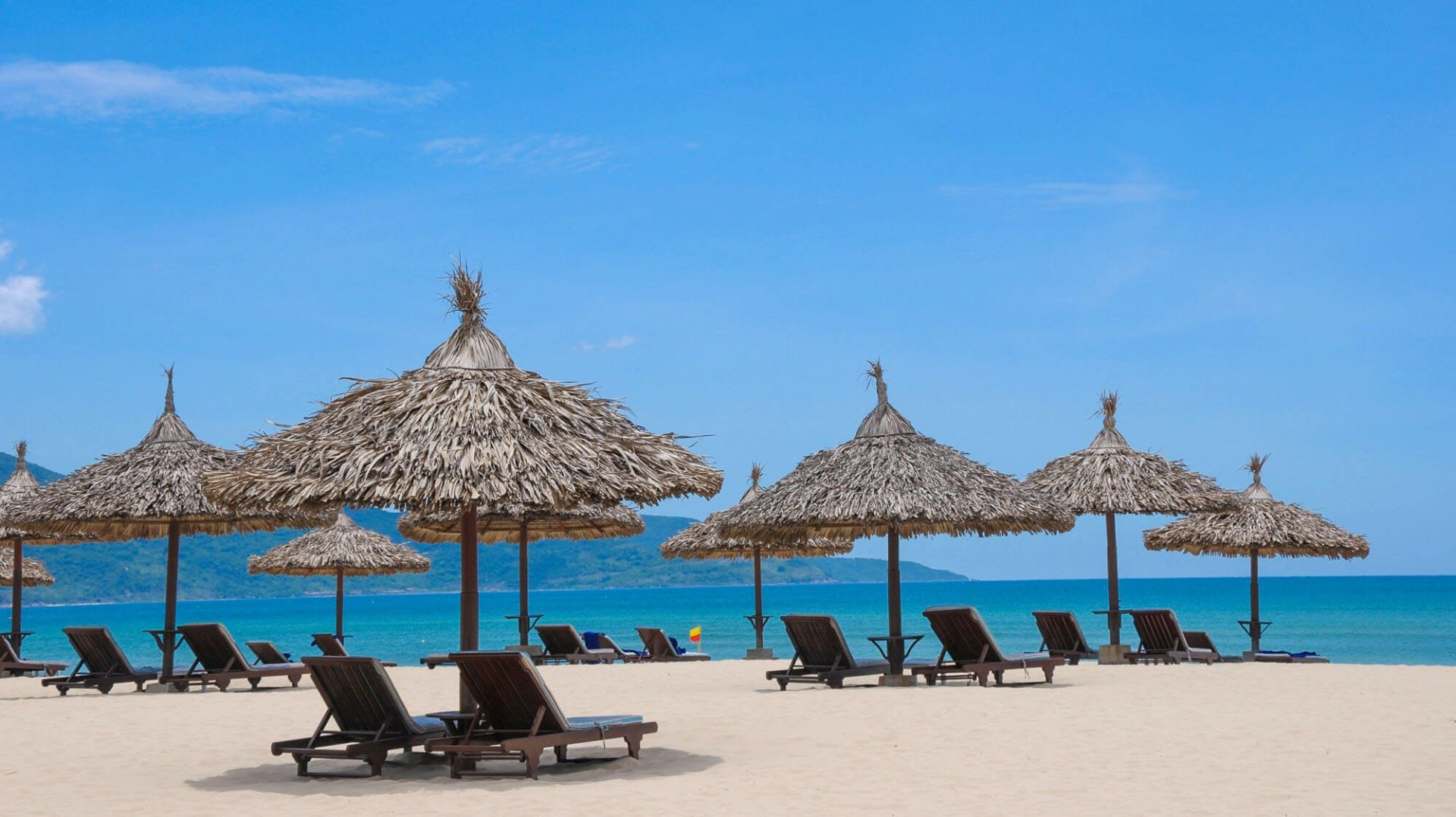
Vibe: The clearest landing zone for foreigners in Da Nang. Dense café and restaurant scene anchored around An Thượng (the streets named An Thượng 1 through An Thượng 30), 5–10 minute walk to My Khe beach, serviced apartments and modern condos, growing coworking infrastructure, real international community, beach-and-café daily rhythm. Cost: Mid-to-high by Da Nang standards; still dramatically below U.S. coastal city equivalents. Who it suits: Most first-time American arrivals, remote workers, semi-retirees, lifestyle expats wanting walkable beach proximity. The default landing zone. Tradeoff: More expat-and-tourism shaped than other areas; rents have moved up; some streets feel like an international bubble more than Vietnam.
My Khe / beach corridor (Võ Nguyên Giáp)
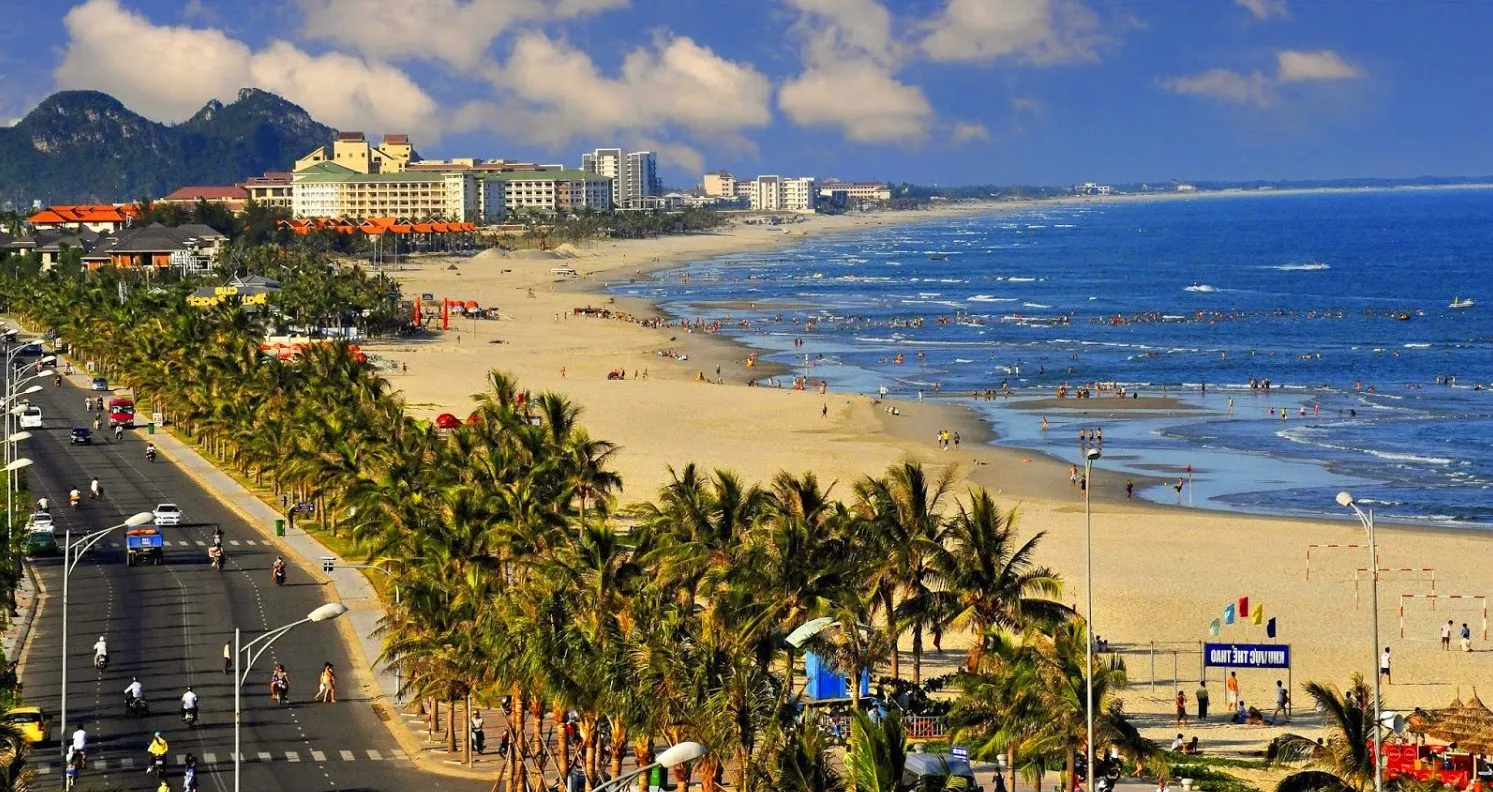
Vibe: The long beachfront strip running north from An Thượng up through Phước Mỹ and beyond. Hotels, beach-facing apartments, dining, morning/evening exercise culture along the promenade. Cost: Mid-to-high for beach-facing buildings. Who it suits: Americans wanting maximum beach proximity, morning exercise routines, sea-view living. Tradeoff: More tourism-facing during peak season; some buildings cater to short-term tourists more than residents; some apartments have noise from the beachfront strip.
Sơn Trà / An Hải
Vibe: More residential and local, north of the Han River bridges, with mix of older Vietnamese housing and newer apartment buildings. Beach access via the long My Khe corridor; quieter than central An Thượng. Cost: Mid; better value per square meter than An Thượng. Who it suits: Americans wanting longer-term residential rhythm with beach proximity, families who want quieter streets, those who prefer less tourist-shaped daily life. Tradeoff: Less concentrated expat infrastructure; more Vietnamese-language daily life.
Hải Châu
Vibe: The central urban core of Da Nang — riverfront on the Han River, the main municipal administrative offices, the central market (Cồn Market and Hàn Market), shopping, business, and local life. Less beach-oriented; more "Vietnamese city" feeling. Cost: Lower than An Thượng for non-premium buildings. Who it suits: Americans optimizing budget, those wanting central urban access over beach routine, longer-term residents wanting to engage with Vietnamese life rather than expat life. Tradeoff: Not the beach lifestyle; smaller foreign community; more Vietnamese-language daily life.
Ngũ Hành Sơn

Vibe: South of An Thượng, anchored by the Marble Mountains (Ngũ Hành Sơn) and a beach/resort/residential mix continuing down the coast. Newer developments, beach-and-mountain access, some luxury resort properties. Cost: Mid-to-high in newer developments; varies sharply. Who it suits: Americans wanting beach-and-mountain access at slightly lower density than An Thượng; families in some pockets; those who like more space. Tradeoff: Less concentrated daily-services infrastructure; longer commutes to central An Thượng or Hải Châu; some areas feel sleepy.
Non Nước
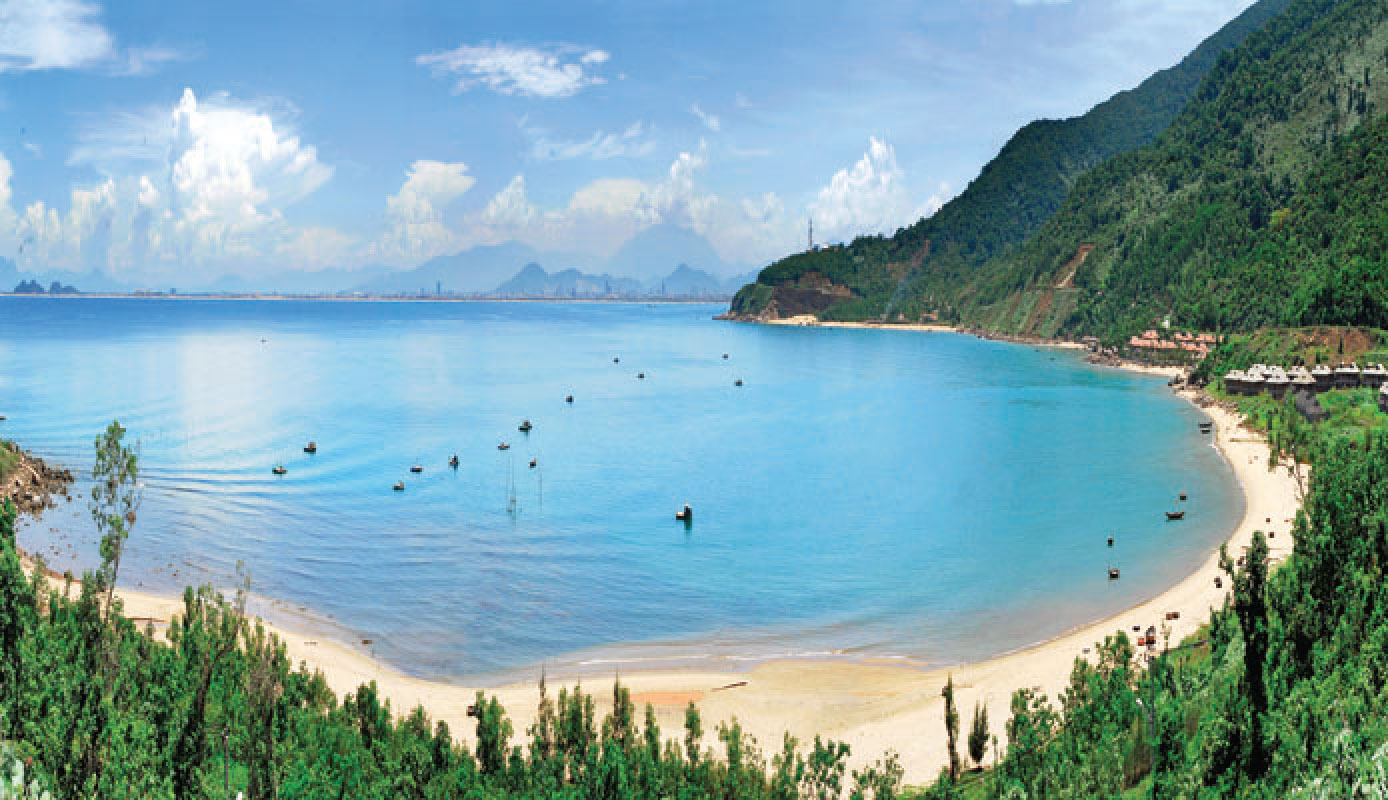
Vibe: Quiet beach/resort area south of Ngũ Hành Sơn, anchored by traditional stone craft villages and large resort developments along the coast. Cost: Varies — resort-adjacent housing can be high; local areas inland are lower. Who it suits: Americans wanting genuine calm and resort-adjacent living; retirees seeking quiet beach life. Tradeoff: Far from central An Thượng and Hải Châu; structurally vehicle-dependent; thin restaurant and café scene.
Thanh Khê
Vibe: Western district of central Da Nang, more local, practical, less polished. Some new apartment buildings; mostly Vietnamese daily life. Cost: Lower; better value. Who it suits: Americans on tighter budgets, those wanting non-expat Vietnamese daily life with central proximity. Tradeoff: Less expat infrastructure; few English-speaking businesses; more Vietnamese-language daily life.
Cẩm Lệ / Hòa Xuân
Vibe: Residential southwestern district, newer planned developments around the Hòa Xuân area, family-oriented housing, parks, less commercial density. Cost: Lower for similar housing size. Who it suits: Families wanting space, Americans with budgets prioritizing housing quality over location. Tradeoff: Far from beach and central Da Nang; commute and daily-service planning matters; less expat density.
Liên Chiểu
Vibe: Northern district, more industrial and student-oriented, with universities and some industrial zones. Local Vietnamese daily life. Cost: Lower. Who it suits: Americans with specific work or study reasons to be there; not a typical first-base for foreigners. Tradeoff: Far from An Thượng / Hải Châu; smaller foreign community; less polished.
Hoi An / former Quang Nam lifestyle area
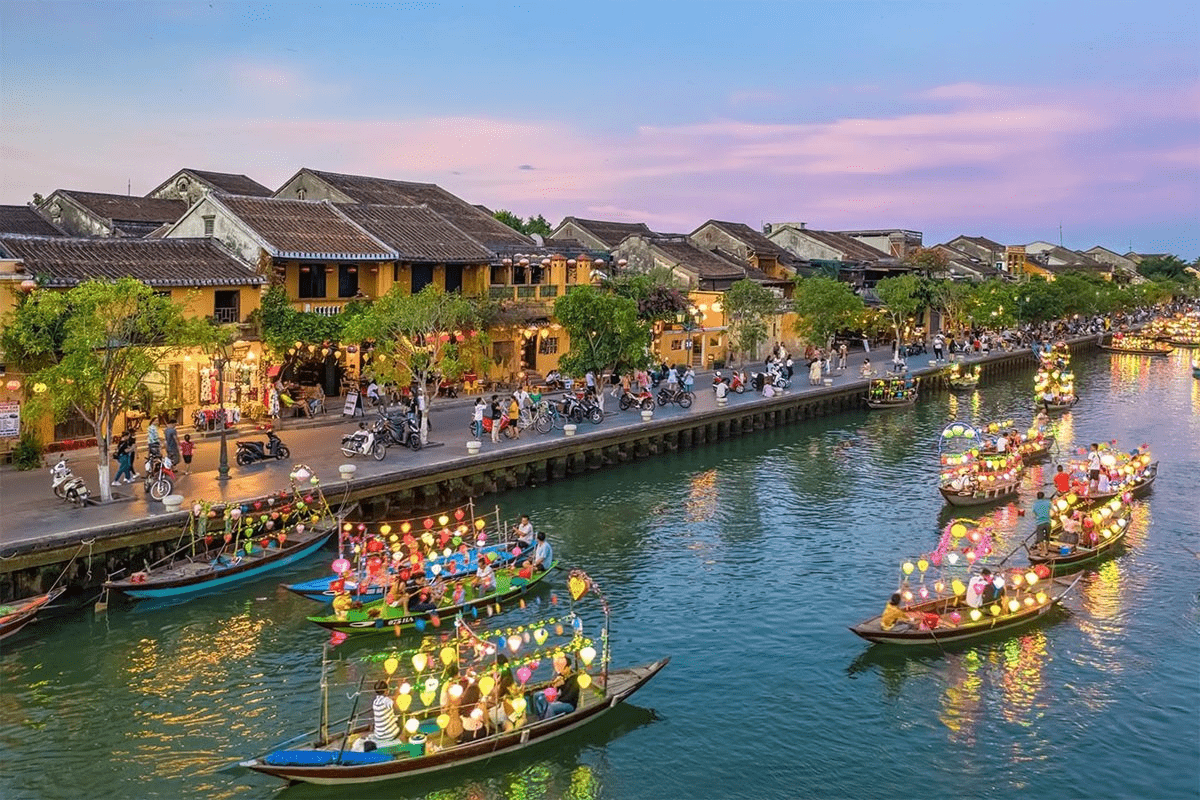
Vibe: Hoi An, now within the broader administrative footprint of greater Da Nang post-merger, is a small UNESCO-listed heritage town 30 km south of central Da Nang. Lantern-lit Old Town, Thu Bon River, beach access at An Bang and Cua Dai, smaller-scale lifestyle. Cost: Comparable to An Thượng for premium areas; lower in non-tourist zones. Who it suits: Americans wanting a smaller, more heritage-oriented Vietnamese lifestyle; retirees, writers, longer-stay slow-travel residents. Tradeoff: Not the same as living in Da Nang's urban core. Different daily-service infrastructure. Real flood risk during heavy rain. Hoi An is genuinely worth considering as a base, but treat it as its own choice, not as "Da Nang."
For most first-time American arrivals, the practical default is Mỹ An / An Thượng, with Sơn Trà / An Hải as the longer-term residential alternative and Hải Châu for budget-conscious or city-focused Americans. Hoi An is a meaningful separate option for slower-lifestyle Americans willing to accept smaller scale.
Housing Reality in Da Nang
Housing in Da Nang is not only about being near the beach. It is about noise, rain, humidity, building quality, transport, and whether the area fits your daily routine.
Serviced apartments vs local apartments is the first big decision. Serviced apartments in An Thượng, My Khe, and Mỹ An provide full furnishing, building maintenance, often English-speaking management, gym access in some buildings, and rent ranging $500–$1,500+/month for one-bedrooms. Local apartments — typically less Western-friendly furnishings, more Vietnamese-speaking landlords, less polished management — rent for $250–$600 for similar size in less central areas.
Beach-area premium is real but moderate. Apartments directly facing the beach (Võ Nguyên Giáp Boulevard) command notable premiums; apartments 2–4 blocks back are dramatically cheaper for very similar lifestyle access.
Older vs newer buildings: Newer construction (post-2018) generally has better infrastructure, modern AC systems, working elevators, and reliable plumbing. Older buildings can have maintenance issues, weaker AC, and ventilation problems — meaningful in a coastal humid climate.
Furnished apartments are the default for foreigners. Most rentals come with bed, sofa, dining set, kitchen appliances, washing machine, and AC units in every room.
Noise, construction, and humidity vary sharply by location. An Thượng has dense café and restaurant activity that can be loud on weekend evenings. My Khe beachfront has tourist-area noise. Streets near major construction (which is constant in growing Da Nang) get dust and noise. Walk the street and building at multiple times before committing.
Mold risk and rainy-season comfort are real considerations. Central Vietnam's humidity and heavy rain during rainy season can cause real moisture problems in poorly ventilated apartments. Check for visible mold spots, examine ventilation, ask about previous flooding, and verify that AC systems work as both cooling and dehumidification. Quality buildings handle this better than poorly maintained ones.
Elevator, parking, and management vary widely. Verify these in person before signing.
Short-term vs long-term rentals: Monthly rates from Airbnb or similar can be 30–60% higher than direct 6-month or 12-month leases. Most Americans start with 1–2 month short-term stays to test areas before committing to longer leases.
Lease terms typically involve 6–12 month contracts with 1–2 months security deposit plus 1 month advance rent. Document everything properly; informal arrangements can create issues with immigration registration.
The most common American mistake is choosing housing in peak dry season based on what they see on visit and then being surprised by the same apartment in rainy season. Walk the area in different weather conditions if possible.
Remote Work, Internet, Cafés, and Everyday Convenience
For American freelancers, consultants, and remote workers, Da Nang can be one of Asia's more pleasant bases — if you have the right legal status and a plan for rainy season.
Visa-wise, Vietnam's e-visa has been available to citizens of all countries and territories since August 15, 2023, valid for up to 90 days with multiple entry. This makes short and exploratory stays accessible. For long-term living, the picture is more nuanced. Vietnam does not currently have a dedicated, well-established digital nomad visa equivalent to Thailand's DTV; Americans staying long-term typically rely on combinations of e-visa renewals (with periodic border runs), business visas (DN), investor or work-permit-tied visas, or family-sponsored arrangements. Working for a Vietnamese employer or providing services to Vietnamese customers requires a proper work permit under Decree 219/2025/ND-CP, which regulates foreign workers, work permits, renewals, revocations, and exemptions. Working remotely for non-Vietnamese clients on a tourist e-visa is a legal gray area — verify your specific situation with Vietnam Immigration, a qualified immigration attorney, or your employer's legal counsel. This is not legal advice.
If you have the right legal status, the day-to-day mechanics are strong. Fiber internet (Viettel, FPT, VNPT) at 100–500 Mbps runs $8–$25/month. Mobile 5G is widely available and cheap. Power reliability is generally good with occasional outages during storms.
Café work culture is one of Da Nang's strongest assets — comparable to Hanoi's deep café tradition and arguably better adapted for international remote workers in An Thượng specifically. 43 Factory Coffee Roaster, Hi Cafe, Mộc Coffee, The Workshop, Cong Caphe, and dozens of independents are explicitly laptop-friendly with power outlets and reliable Wi-Fi.
Coworking spaces exist but are smaller-scale than HCMC or Bangkok. Hub Coworking, Enouvo Space, DNC Workspace, and others serve the resident community. Day passes typically $5–$15; monthly memberships $80–$200.
Time zone tradeoffs are real. Vietnam runs UTC+7 — 12 hours ahead of New York (11 during U.S. daylight saving), 15 hours ahead of San Francisco. East Coast clients map onto Da Nang evenings; West Coast clients mean late-night calls. The long Da Nang mornings can be productive deep-work time if your work allows it.
Daily errands are convenient. Grab handles transport and food delivery. Shopee, Lazada, Tiki cover e-commerce. Big C, Lotte Mart, and Vincom Plaza Da Nang cover supermarket and mall needs.
Healthcare and Everyday Services
Da Nang's healthcare reality is more limited than Bangkok's, Singapore's, or even HCMC's, but adequate for most daily needs.
Private hospitals and clinics in Da Nang include Family Medical Practice Da Nang, Vinmec International Hospital Da Nang, Hoan My Da Nang Hospital, and several private international clinics. These serve foreign patients with English-speaking staff (varying by institution) and offer care at substantial discounts to U.S. pricing for routine and primary care.
For complex specialist care — advanced oncology, complex cardiology, neurosurgery, certain procedures — many international residents travel to Ho Chi Minh City (Vinmec Central Park, FV Hospital), Hanoi (Vinmec Times City, Hanoi French Hospital), Bangkok (Bumrungrad, Samitivej), or Singapore. Da Nang private healthcare is solid for primary care, basic surgeries, dental, optometry, and most emergencies. Specialist depth is more limited than in larger Asian medical hubs.
Insurance planning is essential. Most American long-term residents use one of three options:
Local Vietnamese private insurance (Bao Viet, Liberty, Pacific Cross Vietnam): $400–$2,000+/year depending on age.
International expat insurance (Cigna Global, Allianz Worldwide, IMG, William Russell): $1,500–$10,000+/year depending on age and coverage geography.
Hybrid approaches with evacuation coverage for serious cases that might require flights to Bangkok or Singapore.
Insurance rates rise sharply with age. Americans over 50 should price coverage carefully — especially given Da Nang's specialist limitations, which make evacuation coverage more relevant.
Pharmacies are widely available and convenient. Many medications are accessible (some U.S.-prescription medications are over-the-counter here), but follow Vietnamese law and consult professionals for anything serious.
